Wankhede Stadium, a historic landmark in Mumbai, was built in 1974 after a dispute between the Bombay Cricket Association and the Cricket Club of India, which managed Brabourne Stadium. Designed by architect Shashi Prabhu, the new stadium quickly became the heart of Indian cricket. Over the decades, it has hosted countless memorable matches, including Sunil Gavaskar’s farewell Test and Sachin Tendulkar’s final international game. The stadium underwent major renovations in 2010-2011 ahead of the ICC Cricket World Cup, modernising its structure and improving spectator comfort. Today, Wankhede remains a symbol of Mumbai’s cricketing spirit and India’s love for the game.
Key Highlights:
Wankhede Stadium stands as one of the most advanced cricket grounds in India, combining modern amenities with a deep historical legacy. Spread across 13.5 acres, it accommodates around 33,000 spectators and provides top-class facilities for players, officials, and visitors alike. The pitch here is known for its balanced nature, offering support to both batsmen and bowlers depending on conditions. Equipped with cutting-edge floodlights and upgraded seating, the stadium’s design ensures excellent visibility from every corner. The presence of the Arabian Sea nearby also influences the swing of the ball, making matches more exciting for spectators and challenging for players.
Key Facts:
Wankhede Stadium today stands as a symbol of Mumbai’s passion for cricket and its evolving sports culture. The venue continues to host thrilling IPL matches, domestic tournaments, and international fixtures, attracting cricket fans from across India and beyond.
After its major renovation in 2011, the Wankhede Stadium boasts world-class seating, improved spectator facilities, and upgraded floodlights that enhance the viewing experience.
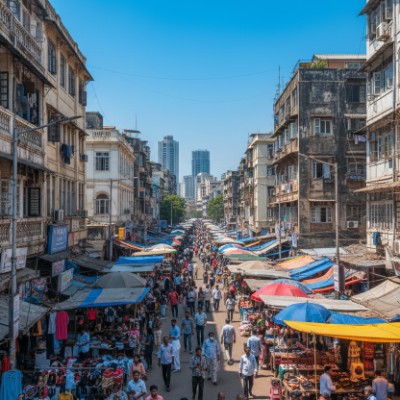
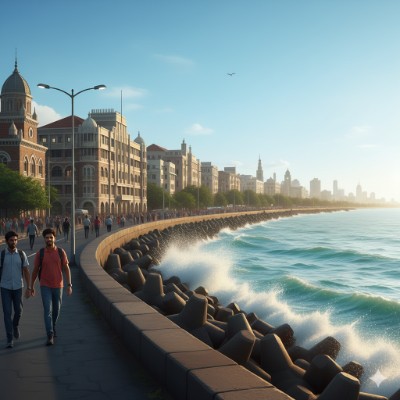
The surrounding Churchgate and Marine Drive areas add to its charm, making it not just a cricket hub but also a must-visit landmark for tourists exploring the city’s coastal beauty. The stadium management frequently organizes guided tours, giving visitors an insider’s look at the dressing rooms, stands, and press boxes where historic cricketing moments unfolded.
The Wankhede Stadium showcases a blend of modern engineering and functional aesthetics, designed to deliver both comfort and atmosphere. Originally constructed in 1974 and later renovated for the 2011 ICC Cricket World Cup, its structure features reinforced concrete stands and a cantilevered roof that provides shade without obstructing the view.
The stadium’s design allows natural sea breeze from the Arabian Sea to pass through, influencing the pitch and offering a refreshing experience for spectators.
The floodlight towers were replaced with a ring-shaped lighting system along the roofline, ensuring even illumination across the ground. Modern amenities such as digital scoreboards, plush seating, hospitality boxes, and advanced drainage systems make Wankhede Stadium a world-class sports venue that continues to evolve with technology and fan needs.
Reaching Wankhede Stadium is convenient thanks to its central location in Mumbai, making it easily accessible by air, train, metro, and road.
Visiting Wankhede Stadium can be a memorable experience if you plan ahead and follow a few helpful tips.
A visit to Wankhede Stadium offers an immersive experience for both local and international tourists looking to explore India’s cricket culture.
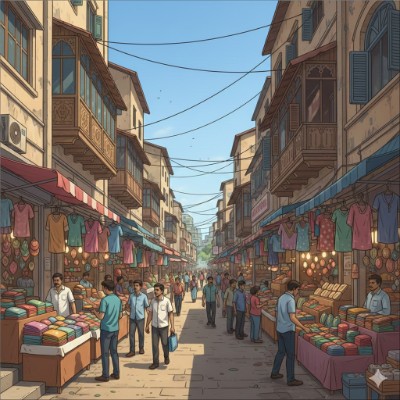
Visitors to Wankhede Stadium can enjoy a variety of food options nearby, ranging from street snacks to casual dining.
Must-Try Options:
The best time to visit Wankhede Stadium in Mumbai is during the cooler and drier months when cricket matches and IPL events are in full swing.
Wankhede Stadium operates primarily during match days, with timings varying based on the type of match or event.
Note: Timings and fees may change. Visitors are advised to check the official stadium website or contact the stadium directly before planning their visit.
Wankhede Stadium is not just a cricket ground; it is a landmark of Mumbai’s sports culture and city pride.

5, Old Market, Ramesh Nagar,
New Delhi-110015. India
travelroutes.team@gmail.com
www.travelroutes.in